Clay, grass or hard court: how the surface changes tennis
The same game plays very differently on red clay, fast grass and hard courts. Here is why, and which Grand Slam uses which.
Tennis is played on three main surfaces, and each one changes how the ball bounces and how long rallies last.
Hard court
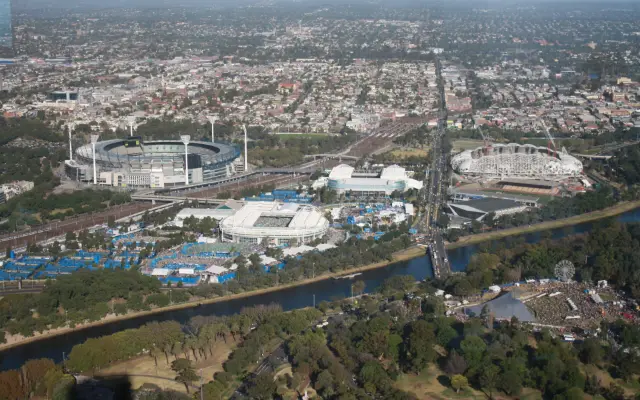
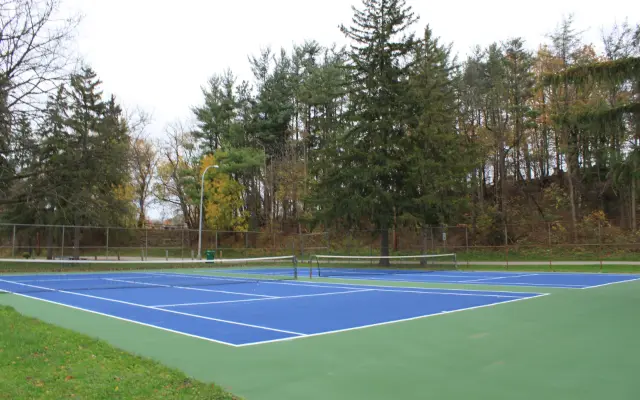
Hard courts, made of acrylic over asphalt or concrete, give a true, medium-fast bounce. The Australian Open and the US Open are both played on hard courts, as are most tour events during the year.
Clay
Clay courts, made of crushed brick or stone, are slower: the ball slows down when it lands and bounces high. Points last longer, and players can slide into their shots. Roland Garros is the only Grand Slam played on clay. Rafael Nadal won the French Open 14 times.
Grass
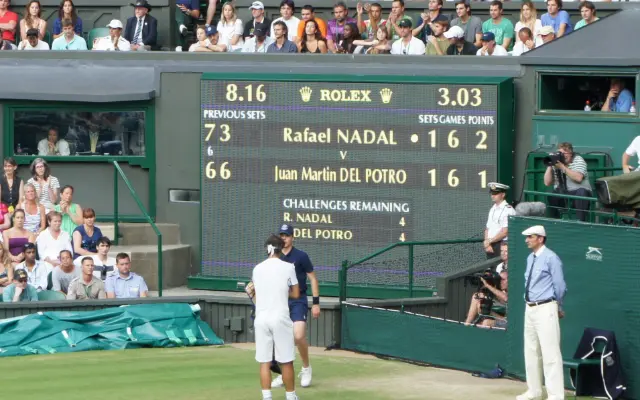
On grass the ball skids and stays low, so points are shorter and big serves are very effective. Wimbledon is the only Grand Slam still played on grass, and Roger Federer holds the men's record of eight Wimbledon titles.
Why it matters
Players often win more on one surface than another. To win a career Grand Slam a player must win on all three, and in 2026 Carlos Alcaraz completed it by winning the Australian Open.
Sources: ITF; Wikipedia (Tennis court).
Spotted a mistake? Tell us and we will correct it.